
Art, Knowledge, and Moral Judgment
Death in VeniceThis flow traces the novel’s questioning of whether artistic intelligence can clarify desire or instead lend it sophisticated excuses.
increasing Bearing strength in each event
 decreasing
Bearing strength in each eventdecreasingKnowledge as a Threat
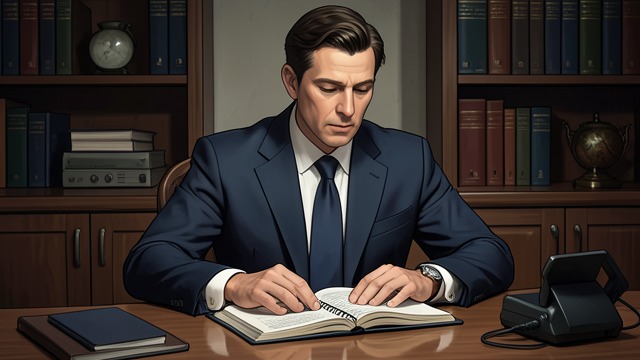
Knowledge as a Threat
Certainty preferred
Aschenbach comes to reject forms of analysis that weaken will or complicate moral judgment. He associates clarity and discipline with dignity.
A limitation established
The preference can protect action from corrosive doubt, but it can also exclude necessary self-knowledge. The novel leaves open whether certainty is strength or evasion.
Form as Moral Achievement
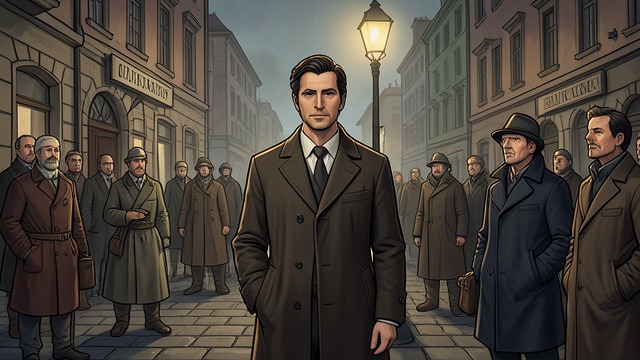
Form as Moral Achievement
Mastery admired
His controlled prose and composed public identity earn confidence from readers and institutions. Formal excellence appears to express a life of self-command.
A double meaning
The same form can conceal what it excludes. Artistic polish may be an ethical discipline, but it may also make inner conflicts less visible to others and to the artist himself.
A Theory of Beauty
A Theory of Beauty
The senses as passage
Aschenbach imagines beauty as a visible form of the spiritual. Tadzio’s appearance seems to make an abstract theory immediate and compelling.
Thought entangled with feeling
His reasoning is not detached from attraction. The theory may illuminate the experience while also giving desire a language that makes it easier to indulge.
Knowledge Arrives Too Late
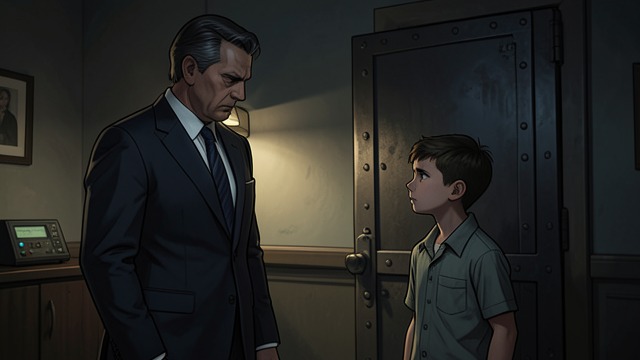
Knowledge Arrives Too Late
Facts become undeniable
Aschenbach learns that the city’s danger is real and that official reassurances are false. The information demands a practical response and a moral choice.
Understanding without action
He grasps the situation but chooses not to warn Tadzio’s family. Knowledge alone cannot ensure ethical conduct when desire governs the will.
The Artist’s Self-Accusation
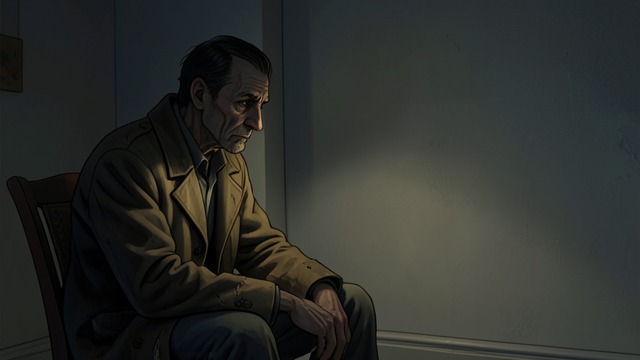
The Artist’s Self-Accusation
Reflection turns critical
Aschenbach’s late monologue questions the dignity and public authority of poets who are led by desire. His thinking now exposes the gap between artistic achievement and moral fitness.
Judgment without repair
The insight arrives after repeated opportunities to act differently. The artist can interpret his fall, but cannot undo the choices that have brought him to it.
During Aschenbach’s account of his mature convictions
After Aschenbach becomes publicly honored
During the early beach reflections
After the clerk confirms the cholera outbreak
During the final days before his death
